



Buy Authentic Kerala Matta Rice Online – Palakkadan GI-Certified, Low GI Parboiled Red Rice with Free Pan-India Shipping | Worth2Deal
Available Offer
Share :
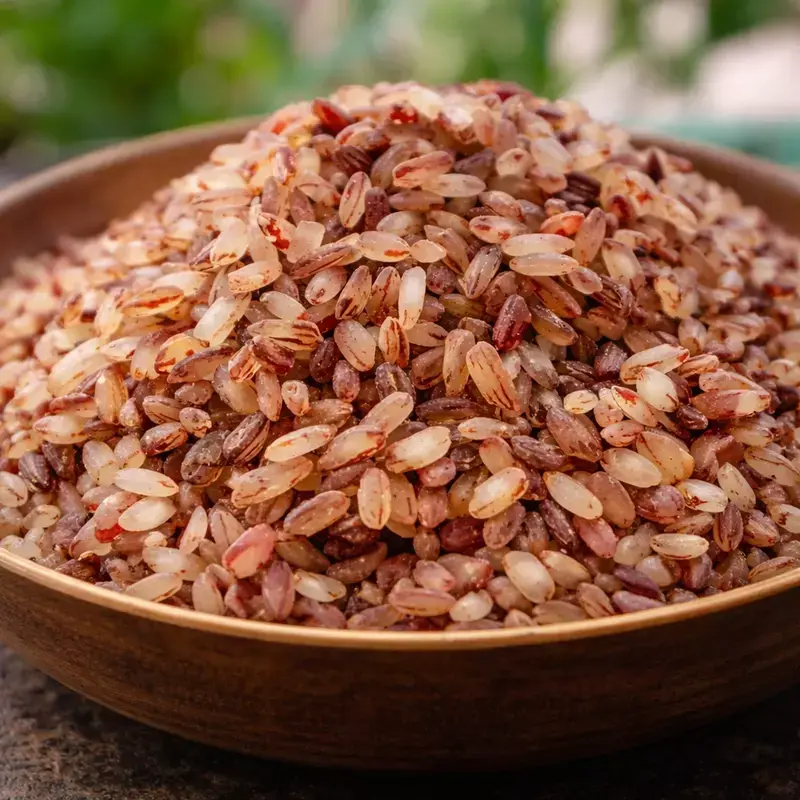
Kerala Matta Rice — also known as Palakkadan Matta Rice, Rose Matta Rice, or Kerala Red Rice — is a GI-tagged heritage grain grown in the black cotton soil of Palakkad, Kerala. Parboiled with its bran intact, this traditional red rice delivers a low glycemic index (GI ~55), high dietary fibre, and natural magnesium levels that no polished white rice can match. Worth2Deal sources and ships authentic Malabar Matta Rice directly to your doorstep — pan-India, free of charge — in 1 kg, 2 kg, 5 kg, and 10 kg packs. Every pack carries FSSAI Licence No. 21317233000044, your guarantee of food safety. Whether you want Vadi Matta for daily meals or Unda Matta for traditional pazhankanji, Worth2Deal has the variety, the provenance, and the taste of authentic Malabar.
What Is Kerala Matta Rice?
Matta Rice is one of Kerala's most beloved traditional staples, cultivated for centuries in the fertile black-soil fields of the Palakkad region. Unlike polished white rice, Matta Rice is parboiled with its outer bran layer — the pericarp — left intact. This pericarp is where the nutrition lives: dietary fibre, the full Vitamin B complex, magnesium, calcium, zinc, and powerful antioxidants called anthocyanins that give the grain its characteristic reddish hue.
The Palakkadan Matta Rice holds a Geographical Indication (GI) tag — a government-certified mark of regional authenticity that no imitation grain from outside Palakkad can carry. When you buy Matta Rice from Worth2Deal, you are getting the genuine Malabar grain from its homeland — not a dyed substitute, not a mass-market look-alike.
Is Kerala Matta Rice Good for You? Nutrition at a Glance
| Nutrient / Property | What It Means for You |
|---|---|
| Glycemic Index (~55) | Low GI — slows glucose absorption, prevents insulin spikes |
| Dietary Fibre (2g/¼ cup) | Keeps you full longer, supports digestion, aids weight management |
| Magnesium (~42mg/½ cup) | Supports heart function, bone density, nerve health |
| Anthocyanin Antioxidants | Reduces oxidative stress; source of the rice's red colour |
| Vitamin B1, B2, B3, B6 | Retained via parboiling; supports energy metabolism |
| Calcium & Zinc | Higher than white rice; strengthens bones, boosts immunity |
| Calories (~150 kcal/serve) | ~25% fewer calories than equivalent white rice portions |
Worth2Deal's Matta Rice is not over-polished. The bran layer — where all the above nutrients concentrate — remains intact, so you get the full nutritional profile that made this rice a dietary staple for generations across Malabar.
Vadi Matta vs Unda Matta — Which Variety Do You Need?
| Feature | Vadi Matta (Jyothi) | Unda Matta |
|---|---|---|
| Grain Shape | Long, elongated — stick-like | Short, round — plump |
| Cooked Texture | Separate, firm grains | Soft, slightly sticky |
| Best For | Daily rice meals, regular cooking | Pazhankanji, traditional sadya |
| Flavour Profile | Mild, earthy, nutty | Rich, full-bodied, aromatic |
| GI Level | Low (~55) | Low (~55) |
| Family Usage | Best for everyday switch from white rice | Best for kanji and festivals |
Both varieties share the same GI-tagged Palakkadan origin and the same nutritional richness. Worth2Deal stocks both — see individual listings:
Learn the history and recipes at: paithrka.com
Is Kerala Matta Rice Good for Diabetics?
Yes — and this is backed by nutritional science. Kerala Matta Rice has a Glycemic Index (GI) of approximately 55, which classifies it as a low GI food. Foods with a GI below 55 slow the release of glucose into the bloodstream, preventing the sharp insulin spikes associated with white rice (GI ~72) and refined grains.
The retained bran layer in Matta Rice further slows carbohydrate digestion through its fibre content. This means more gradual energy release, better blood sugar regulation, and greater satiety — critical for anyone managing Type 2 diabetes or pre-diabetes. For best results, pair Matta Rice with high-fibre vegetables, lean protein, and Kerala's traditional curd or sambar.
Always consult your doctor or dietitian before making significant changes to a diabetic meal plan. FSSAI Lic. No. 21317233000044.
Kerala Matta Rice and Weight Management
Switching from white rice to Kerala Matta Rice is one of the simplest dietary upgrades for anyone managing their weight. Matta Rice has approximately 150 calories per serving compared to around 200 calories for white rice — a 25% reduction in caloric density that compounds significantly over weekly meals.
The high dietary fibre content activates satiety hormones, keeping you full for longer after each meal and naturally reducing snacking. Complex carbohydrates in Matta Rice digest slowly, preventing the energy crash that follows refined white rice. These properties make Matta Rice a practical, culturally familiar, and genuinely effective component of a weight-conscious diet — without sacrificing taste or tradition.
How to Identify Authentic Matta Rice vs Dyed or Fake Grain
Unscrupulous sellers sometimes pass off red-dyed ordinary rice as Kerala Matta Rice. Here is how to spot the real grain:
The Water Test: Soak 10–15 grains in cold water for 30 seconds. Authentic Matta Rice releases only a very faint natural pinkish tinge. Dyed rice bleeds vivid red colour immediately.
The Grain Texture: Real Matta Rice feels slightly rough and matte, not shiny or suspiciously uniform.
The Smell: Authentic parboiled Matta Rice has a mild, earthy, slightly nutty aroma — never a chemical smell.
FSSAI Licence: Mandatory on every genuine food product sold in India. Worth2Deal's is FSSAI Lic. No. 21317233000044.
Source Transparency: Genuine Palakkadan Matta Rice originates in Palakkad, Kerala — a GI-tagged origin. Ask any seller where exactly the grain is sourced from.
How to Cook Kerala Matta Rice Perfectly
Pressure Cooker Method (recommended):
- Rinse 1 cup Matta Rice 2–3 times until water runs clear
- Soak for 30 minutes (optional but strongly recommended)
- Add 2.5 to 3 cups of fresh water
- Pressure cook on medium flame for 4–5 whistles
- Let pressure release naturally before opening
- Fluff gently and serve hot
Open Pot / Traditional Method:
- Rinse and soak for 30–60 minutes
- Bring water to a rolling boil (1:4 rice to water ratio)
- Cook uncovered on medium-low for 25–30 minutes
- Drain excess water (kanjivellam) — do not discard it
- Cover and steam on low heat for 5 more minutes, serve
Tip: First-time Matta Rice eaters transitioning from white rice may take 3–5 days to adjust to the chewier texture. By the end of the first week, most families prefer the sustained energy and depth of flavour Matta Rice provides.
🍶 Kerala Pazhankanji — The Ancient Probiotic Breakfast Made with Matta Rice
Long before the world discovered probiotics, every Malabar household started the morning with pazhankanji — leftover cooked Matta Rice soaked overnight in water and served the next morning with shallots, green chilli, raw mango pickle (uppilittathu), and a pinch of salt.
During fermentation, beneficial Lactobacillus bacteria multiply in the soaking water, converting the rice into a naturally probiotic food. This fermented rice water is rich in B vitamins, supports gut microbiome health, improves nutrient absorption, and provides steady energy — especially important in Kerala's hot, humid climate.
Why Matta Rice makes the best pazhankanji:
The intact bran feeds fermentation bacteria more effectively than polished white rice, producing a more flavourful, more nutritious fermented kanji with a deeper earthiness no white rice can replicate.
How to make pazhankanji:
- Cook Matta Rice as usual and allow to cool completely
- Transfer to a clean clay pot or steel vessel. Add water to fully submerge the rice
- Cover loosely and leave at room temperature overnight (8–12 hours)
- By morning the rice is lightly fermented. Mash gently with the soaking water
- Add salt, crushed shallots, and green chilli. Serve with Worth2Deal Manga Uppilittathu for the authentic Malabar breakfast
📖 Read the full pazhankanji article, step-by-step recipes, and health science at paithrka.com
What to Eat with Kerala Matta Rice — Classic Malabar Pairings
- Kerala Fish Curry (Meen Mulakittathu) — the definitive Malabar combination
- Sambar with drumstick and tomato — comfort food at its most traditional
- Beef or mutton stew — the earthy grain complements rich meat gravies perfectly
- Curd (thayir) and mango pickle — simple, cooling, deeply traditional
- Avial (mixed vegetable coconut curry) — a sadya staple with Unda Matta
- Thoran (stir-fried vegetables with coconut) — fibre on fibre
- Kaalan (yam in curd gravy) — classic Kerala sadya combination
Can You Use Matta Rice for Idli or Dosa?
Yes, with adjustment. Matta Rice produces a slightly coarser, denser batter due to its bran layer. For idli, use a 2:1 ratio of Matta Rice to urad dal, grind finely, and ferment for 12–14 hours. The result is a darker, more flavourful idli that many traditional Malabar households prefer. For dosa, Matta Rice gives a crispier, earthier crepe. Soak rice for at least 6 hours before grinding.
Explore More from Worth2Deal
- Buy Organic Vadi Matta Rice
- Buy Unda Matta Rice
- Buy Kerala Manga Uppilittathu — the perfect pazhankanji companion
- Buy Pathimugam Sarsaparilla — traditional Malabar rice water drink
- Read traditional Kerala food articles at Paithrka — Kerala's Ancestral Kitchen: paithrka.com
FAQs
Q: What is Kerala Matta Rice and why is it unique?
A: Kerala Matta Rice, also called Palakkadan Matta Rice, Rosematta Rice, or Kerala Red Rice, is a GI-tagged heritage grain grown in the black cotton soil of the Palakkad district, Kerala. Its uniqueness comes from three things: origin (only genuine Palakkad-grown grain qualifies for the GI tag), processing (it is parboiled with the bran intact, retaining nutrients lost in polished rice), and cultural depth (it has been a Malabar dietary staple since at least the Chola and Chera dynasties). No other Indian rice variety combines this regional specificity, nutritional density, and centuries-old culinary heritage. Worth2Deal sources authentic Palakkadan Matta Rice directly from Malabar — FSSAI Lic. No. 21317233000044.
Q: Is Kerala Matta Rice healthier than regular white rice?
A: Yes, in multiple documented ways. Kerala Matta Rice has a lower Glycemic Index (~55 vs ~72 for white rice), higher dietary fibre (2g per quarter cup), significantly more magnesium (~42mg per half cup), more calcium and zinc, and natural antioxidants called anthocyanins in its bran layer. White rice is stripped of the bran during polishing, losing most of these nutrients. The one area where white rice wins is cooking time — Matta Rice takes 4–5 pressure cooker whistles compared to 2–3 for white rice. In every nutritional dimension that matters for health, Matta Rice is superior.
Q: Is Kerala Matta Rice good for diabetics?
A: Kerala Matta Rice is one of the better rice choices for diabetics due to its low Glycemic Index (GI ~55). Low GI foods slow glucose absorption into the bloodstream, reducing post-meal insulin spikes. The retained dietary fibre in Matta Rice further slows carbohydrate digestion, supporting steadier blood sugar levels over time. This makes Matta Rice a practical, culturally familiar alternative to refined white rice for people managing Type 2 diabetes or pre-diabetes. However, total carbohydrate intake still matters — portion control is important. Always consult your doctor or registered dietitian before making dietary changes for diabetes management.
Q: What is the glycemic index (GI) of Kerala Matta Rice?
A: The Glycemic Index of Kerala Matta Rice is approximately 55, placing it in the low GI category. For comparison, white polished rice has a GI of approximately 72–73, and Basmati rice is around 57–63. The low GI of Matta Rice is primarily due to its intact bran layer, which slows starch digestion in the gut. This is why Matta Rice is frequently recommended by nutritionists for people seeking to manage blood sugar levels, weight, or sustained energy throughout the day.
Q: How many whistles for Matta Rice in a pressure cooker?
A: Kerala Matta Rice typically requires 4 to 5 whistles on medium flame in a standard pressure cooker, using a water ratio of 2.5 to 3 cups of water per cup of rice. Soaking the rice for 30 minutes before cooking reduces cooking time and produces a more even texture. After the whistles, always allow the pressure to release naturally — forcibly opening the cooker results in uneven, partially hard grains. If the rice is still firm after 5 whistles, add a little more water and cook for 1–2 additional whistles.
Q: How do you cook Kerala Matta Rice perfectly?
A: For perfect Kerala Matta Rice: (1) Rinse 1 cup of rice 2–3 times until water runs clear. (2) Soak for 30 minutes. (3) Add 2.5–3 cups of water. (4) Pressure cook on medium flame for 4–5 whistles. (5) Let pressure release naturally before opening. (6) Fluff gently and serve. For the traditional open-pot method, use a 1:4 rice-to-water ratio, cook uncovered for 25–30 minutes, drain excess kanjivellam — which is itself highly nutritious — then steam covered on low heat for 5 minutes.
Q: How long should I soak Kerala Matta Rice before cooking?
A: Soak Kerala Matta Rice for 30 minutes before pressure cooking, or 60 minutes for the open-pot method. Soaking softens the outer bran layer, reduces cooking time by 1–2 whistles, and results in more evenly cooked, fluffier grains. If you skip soaking, increase water by 0.5 cups and add 1–2 extra whistles. Overnight soaking is not necessary for cooking purposes, though it is the starting point for making traditional pazhankanji.
Q: How to make Matta Rice kanji for an upset stomach?
A: Matta Rice kanji is a traditional Malabar remedy for digestive distress. Boil 1 cup of Matta Rice in 6–8 cups of water until the grains fully break down and the liquid becomes a thick gruel. Do not drain — the starchy water is medicinal. Add a pinch of salt and a small piece of fresh ginger. Serve warm. For very upset stomachs, keep the kanji thin and watery. For recovery meals, make it thicker. It is gentle on the stomach, easy to digest, provides electrolytes, and delivers the fibre and minerals of Matta Rice in a highly bioavailable form.
Q: Why is my Matta Rice still hard after cooking?
A: Hard Matta Rice after cooking usually has one of four causes: (1) Insufficient water — use at least 2.5 cups per cup of rice. (2) Too few whistles — Matta Rice needs 4–5, not the 2–3 sufficient for white rice. (3) Cooker opened too early — always allow natural pressure release. (4) Rice was not soaked — soaking for 30 minutes significantly reduces hardness. If your rice is already cooked and too firm, add a few tablespoons of hot water, cover the pot, and steam on very low heat for 8–10 minutes. This usually softens it without making it mushy.
Q: What is the difference between Vadi Matta and Unda Matta Rice?
A: Both are varieties of Palakkadan Matta Rice from the same GI-tagged Palakkad region, but differ in grain shape and culinary use. Vadi Matta (Jyothi variety) has long, elongated grains — "vadi" means stick-like in Malayalam — and cooks with separate, firm grains, making it ideal for everyday rice meals. Unda Matta has shorter, rounder grains that cook softer and slightly stickier, making it the traditional choice for pazhankanji, sadya meals, and dishes where a softer grain texture is preferred. Nutritionally, both are comparable. Worth2Deal stocks both — see the Vadi Matta and Unda Matta listings on worth2deal.com.
Q: Is Kerala Matta Rice good for weight loss?
A: Yes, for several reasons. Matta Rice has approximately 150 kcal per serving versus ~200 kcal for white rice. Its high dietary fibre activates satiety hormones, keeping you full longer and reducing snacking. Its low GI (~55) produces a slower energy release that prevents the crash-and-craving cycle associated with refined white rice. Complex carbohydrates in Matta Rice digest more slowly than the simple carbohydrates in white rice. Replacing white rice with Matta Rice in your existing meals is one of the simplest, most sustainable dietary changes for weight management — without giving up rice altogether.
Q: Is Kerala Matta Rice the same as brown rice?
A: No — related in concept but different in grain, origin, and flavour. Brown rice is any white rice variety where the bran is left on after milling. Matta Rice is a specific indigenous variety grown only in GI-tagged Palakkad, Kerala, with a red bran rich in anthocyanin pigments not found in generic brown rice. Matta Rice also has a stronger, earthier flavour, firmer texture, and is traditionally parboiled in the husk — a process that drives nutrients into the grain interior. Generic brown rice is not parboiled and does not have this nutrient concentration effect. Matta Rice is also notably higher in calcium and iron compared to most brown rice varieties.
Q: Why is Matta Rice red in colour?
A: The red colour comes from anthocyanins — natural antioxidant pigments in the outer bran layer of the grain. These are the same pigments found in blueberries, pomegranates, and red cabbage. They are not a dye or additive. During parboiling, anthocyanins from the outer husk partially leach into the grain itself, which is why even cooked Matta Rice retains a pink-red tint. Unda Matta tends to be deeper red; Vadi Matta slightly lighter. If your Matta Rice bleeds intense red into cold water within seconds, it may have been artificially dyed — use the water test described in our authenticity section.
Q: What vitamins are in Matta Rice?
Q: What should I eat with Kerala Matta Rice?
A: Kerala Matta Rice pairs best with bold, flavourful Malabar dishes. The definitive combination is Kerala Fish Curry (Meen Mulakittathu) — the grain's earthy firmness absorbs the curry's heat and tamarind acidity perfectly. Other classic pairings: Sambar with drumstick and tomato; beef or mutton stew; curd and mango pickle for a light lunch; Avial and Thoran for sadya; Kaalan (yam in curd gravy). For breakfast, Matta Rice soaked overnight becomes pazhankanji — served with shallots, green chilli, and Worth2Deal Manga Uppilittathu for a complete traditional Malabar morning.
Q: Can I use Matta Rice for making Idli or Dosa batter?
A: Yes, with adjustment. Matta Rice produces a denser, coarser batter due to its intact bran, resulting in idlis that are slightly darker, chewier, and more flavourful than standard white idli rice. For Matta Rice idli, use a 2:1 ratio of Matta Rice to urad dal, grind finely, and ferment for 12–14 hours. The additional dal compensates for the denser grain. For dosa, Matta Rice produces a crispier, earthier crepe. Soak rice for at least 6 hours before grinding for best results. Many traditional Malabar households consider Matta dosa superior to white rice dosa in both flavour and nutrition.
Q: Where can I buy authentic Kerala Matta Rice online?
A: Worth2Deal (worth2deal.com) sells authentic Palakkadan Matta Rice — both Vadi Matta and Unda Matta — with free pan-India shipping, FSSAI Lic. No. 21317233000044, and sourcing directly from Malabar's Palakkad growing region. Available in 1 kg, 2 kg, 5 kg, and 10 kg packs. When buying from any seller, always check for: a valid FSSAI licence number on the pack, a stated Kerala or Palakkad origin, and a bran-intact (unpolished or semi-polished) specification. Avoid sellers with no origin information or suspiciously low prices that suggest blended or dyed grain.
Q: What is the best brand of Kerala Matta Rice to buy online?
A: For D2C authenticity with FSSAI certification, transparent Malabar sourcing, and free pan-India delivery, Worth2Deal (worth2deal.com) — operating since 2017 from Kokkur, Malappuram, Kerala — is a reliable choice. Mass-market options include Double Horse on BigBasket and Amazon, though consumer reviews cite concerns about polishing levels and authenticity. For strictly organic certification, Rajamudi Organics is a premium alternative. Whichever brand you choose, verify: FSSAI number on pack, bran-intact specification, and Palakkad origin. Worth2Deal's FSSAI Lic. No. is 21317233000044.
Q: What is the best Kerala curry for Matta Rice?
A: The most celebrated pairing in Malabar cooking is Kerala Fish Curry (Meen Mulakittathu or Meen Vevichathu) — a red chilli, tamarind, and coconut oil-based curry that complements the earthy richness of Matta Rice perfectly. Other top pairings: beef curry with coconut milk; sambar for everyday nutrition; kadala curry (black chickpea) for a vegetarian feast; Avial for traditional sadya; and Theeyal (roasted coconut gravy) for a distinctive Malabar flavour. Pair Unda Matta with avial and thoran for sadya; Vadi Matta with fish curry for everyday meals.
Q: How to tell if Matta Rice is fake or artificially coloured?
A: The most reliable home test is the Cold Water Test: place 10–15 grains of uncooked Matta Rice in cold water and stir gently for 30 seconds. Authentic Matta Rice releases only a very faint natural pinkish tinge — barely visible. Artificially dyed rice bleeds vivid red colour within seconds. Additional checks: real Matta Rice feels slightly rough and matte (not shiny or unnaturally uniform); it has a mild earthy aroma (not chemical); the FSSAI licence number must appear on the pack; and authentic Matta cooking water turns a light pink while dyed rice produces intensely red cooking water. Worth2Deal's FSSAI Lic. No. 21317233000044 is on every pack.
NAP BLOCK
Sold by: Worth2Deal 7/330 A, Shanthi Nagar, Kokkur, Malappuram, Kerala — 679591 Email: worth2deal.com@gmail.com | Phone: +91 9846294242 Website: www.worth2deal.com FSSAI Lic. No. 21317233000044
Kerala Matta Rice is available for delivery across India — Mumbai, Delhi, Bangalore, Chennai, Hyderabad, Pune, Kolkata, Ahmedabad, Kochi, Thiruvananthapuram, Kozhikode, Thrissur, Mysore, Coimbatore, Jaipur, Lucknow, Surat, Bhopal, Indore, Patna, and all major cities and Tier-2 towns. Free shipping on all orders.