

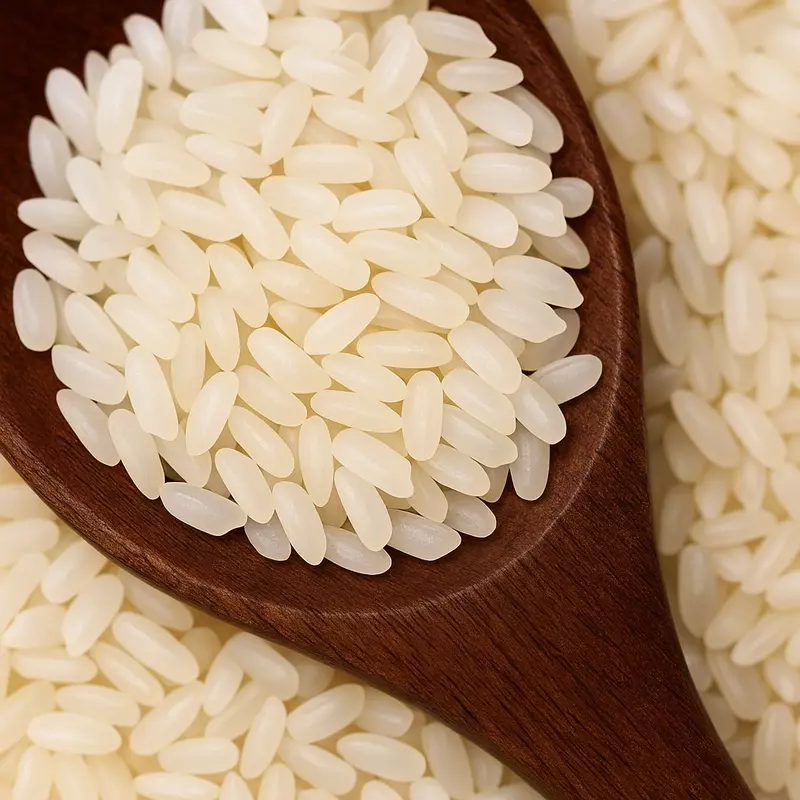


Buy Worth2Deal Wayanad Jeerakasala Khaima Rice Online — Kerala Biryani Rice
Worth2Deal Wayanad Jeerakasala Khaima Rice is Kerala's authentic aromatic short-grain biryani rice — grown in the highlands of Wayanad, naturally fragrant, non-sticky, and the traditional choice for Thalassery biryani and Malabar ghee rice. Available in 2kg with free pan-India delivery. FSSAI Lic. No.: 21317233000044.
Available Offer
Share :
Wayanad Jeerakasala rice — also called Khaima rice or Kaima rice — is Kerala's traditional aromatic short-grain rice grown in the highland districts of Wayanad, known for its natural cumin-like fragrance, separate non-sticky grain after cooking, and its status as the only rice variety traditionally used for authentic Thalassery biryani and Malabar ghee rice.
What Is Jeerakasala Rice — The Full Story
Jeerakasala rice takes its name from two Malayalam words — jeerakam meaning cumin and sala meaning grain — named for the rice's distinctive natural aroma that resembles the fragrance of cumin without any cumin being added. It is also called Khaima rice, Kaima rice, and Kerala biryani rice across different parts of Malabar and Kerala.
This is not a hybrid or commercially developed variety. Jeerakasala is an indigenous Kerala rice cultivated for centuries in the specific microclimate of Wayanad — a high-altitude district in northern Kerala where cooler temperatures, rich laterite soil, and consistent rainfall create the conditions that give this rice its unique fragrance and texture. No other region in India produces the same variety with the same aromatic profile.
Worth2Deal sources Jeerakasala Khaima rice directly from Wayanad farms — packed fresh in Malappuram and delivered free to your door anywhere in India in a 2kg pack.
Why Jeerakasala Is the Only Rice for Authentic Thalassery Biryani
Thalassery biryani — Kerala's most celebrated biryani — is fundamentally different from Hyderabadi, Lucknawi, or any other Indian biryani. The difference starts with the rice.
Thalassery biryani is made exclusively with Jeerakasala rice — not Basmati, not Sona Masoori, not any long-grain variety. The short, compact grain of Jeerakasala absorbs the biryani masala deeply — each grain carries the full flavour of the spices rather than just coating the outside. The natural cumin-like aroma of the rice merges with the biryani spices to create the specific Thalassery flavour that cannot be replicated with any other rice.
The grains cook separately and remain distinct — not clumped together like Sona Masoori and not dry and elongated like Basmati. The texture is firm yet soft, with each grain holding its shape through the dum process while absorbing moisture and flavour. This is what makes Thalassery biryani different — and it starts with the right rice.
If you have tried making Thalassery biryani with Basmati or regular rice and the result did not taste right — the rice is why.
Jeerakasala vs Basmati — Why Kerala Cooks Choose Khaima
The most common question buyers ask is how Jeerakasala compares to Basmati. Here is the honest answer:
Basmati is a long-grain variety from the Indo-Gangetic plains — primarily Punjab and Haryana. Its long, separate grains and mild floral aroma work beautifully for Hyderabadi biryani, pulao, and North Indian rice dishes. For Kerala and Malabar cooking — Thalassery biryani, Malabar ghee rice, Kerala chicken biryani — Basmati is the wrong rice. The grain length, the flavour profile, and the texture are all wrong for Kerala spice combinations.
Jeerakasala Khaima is a short-grain variety from Wayanad with a naturally earthy, cumin-like fragrance that complements Kerala's whole spice masalas — cardamom, cloves, cinnamon, star anise — the way Basmati cannot. It cooks faster than Basmati, absorbs flavour more deeply, and produces the correct Thalassery biryani texture.
| Feature | Jeerakasala Khaima | Basmati |
|---|---|---|
| Grain length | Short — compact | Long — elongated |
| Aroma | Cumin-like, earthy | Floral, mild |
| Origin | Wayanad, Kerala | Punjab, Haryana |
| Best for | Kerala biryani, ghee rice | North Indian biryani, pulao |
| Cooking time | Faster | Longer |
| Texture cooked | Firm, separate, soft | Long, dry, separate |
| Malabar biryani | ✅ Authentic | ❌ Wrong variety |
What Else Can You Cook with Jeerakasala Khaima Rice
Jeerakasala is not just a biryani rice — it is a versatile aromatic rice that elevates any dish requiring fragrant, separate grains:
- Thalassery Biryani— the classic and most famous use. The only authentic choice.
- Malabar Ghee Rice (Nei Choru) — fragrant ghee rice with whole spices. The natural aroma of Jeerakasala makes this dish distinctly Malabar in character.
- Kerala Chicken Biryani — Kozhikode and Malappuram style chicken biryani uses Jeerakasala exclusively.
- Mutton Biryani— the rice's ability to absorb strong meat juices without becoming mushy makes it ideal for slow-cooked mutton biryani.
- Prawn Biryani — Malabar coast prawn biryani uses khaima rice for its ability to carry seafood flavours without overpowering them.
- Malabar Fish Biryani — the cumin-like aroma of Jeerakasala pairs specifically well with fish and coconut milk combinations.
- Pulao and Pilaf — use wherever fragrant separate grains are needed.
- Everyday Meals— the natural fragrance makes plain boiled Jeerakasala rice more enjoyable than standard varieties for everyday eating.
How to Cook Worth2Deal Jeerakasala Khaima Rice — Perfect Biryani Every Time
Rinse and Soak: Rinse 3 to 4 times until water runs clear. Soak for 20 to 30 minutes — Jeerakasala cooks faster than Basmati so shorter soaking is sufficient.
Water Ratio: 1 cup Jeerakasala to 1.5 cups water — less water than most rice varieties because the short grain absorbs moisture quickly and efficiently.
Stovetop Biryani Method: Heat ghee in a heavy-bottomed pot. Add whole spices — cardamom, cloves, cinnamon, bay leaf. Add sliced onion and fry until golden. Add soaked and drained rice. Stir for 2 minutes until grains are coated in ghee. Add hot water — 1.5 cups per cup of rice. Salt to taste. Cover tightly and cook on low flame for 12 to 15 minutes. Switch off and rest for 5 minutes before opening.
Pressure Cooker: 1 cup rice to 1.5 cups water. 2 whistles on medium flame. Natural release. Open and fluff gently with a fork — do not stir vigorously as the grains are softer than Basmati.
Dum Method (for biryani): Layer the par-cooked rice over the masala in a heavy pot. Seal the lid with dough or a tight-fitting lid. Cook on lowest flame for 15 to 20 minutes.
The grain should be fully cooked, separate, and fragrant. If grains are sticking — too much water. If undercooked — too little. Adjust by half a cup per attempt.
Storage Instructions
Store in a cool, dry, airtight container away from direct sunlight and moisture. Add 2 to 3 dried cloves or a bay leaf inside the container to naturally prevent infestation — the traditional Kerala household method. Best consumed within 6 to 8 months of purchase for optimal fragrance and flavour. The natural aroma of Jeerakasala is most prominent in fresh rice — older stock loses fragrance gradually.
Also from Worth2Deal Kerala Rice
For Kerala's traditional everyday red rice, see our Organic Vadi Matta Rice — GI Certified Palakkadan Red Rice. For the classic round-grain matta variety, see our Palakkadan Unda Matta Rice. For our full Kerala rice collection, explore Kerala Rice & Brown Rice Varieties.
Product Details
Net Weight: 2 kg Variety: Jeerakasala — Khaima / Kaima Rice Grain Type: Short grain — aromatic Origin: Wayanad district, Kerala Cultivation: Traditional highland farming — Wayanad Aroma: Natural cumin-like fragrance — no artificial flavour Gluten Free: Yes Artificial Colour: None Preservatives: None Shelf Life: 12 months from date of packing (unopened, stored correctly) Storage: Cool, dry, airtight container Best Used For: Thalassery biryani, Malabar ghee rice, Kerala chicken biryani Packed by: Worth2Deal, 7/330 Shanti Nagar, Valayamkulam, Kokkur Post, Malappuram District, Kerala 679591 FSSAI Licence No.: 21317233000044 Contact: worth2deal.com@gmail.com | +91 9846294242
FAQ — Wayanad Jeerakasala Khaima Rice
Q1. What is jeerakasala rice — what does jeerakasala mean?
Jeerakasala means cumin grain in Malayalam — jeerakam meaning cumin, sala meaning grain — named for the rice's natural cumin-like aroma. It is an indigenous short-grain aromatic rice variety grown in Wayanad, Kerala. Also called Khaima rice, Kaima rice, and Kerala biryani rice. It is the only rice traditionally used for authentic Thalassery biryani and Malabar ghee rice. Worth2Deal sources this directly from Wayanad farms. FSSAI Lic. No.: 21317233000044.
Q2. Where can I buy authentic wayanad jeerakasala rice online with free delivery?
Worth2Deal sources Jeerakasala Khaima rice directly from Wayanad farms — available in 2kg with free pan-India delivery. We regularly deliver to Bangalore, Mumbai, Delhi, Hyderabad, Chennai, Pune, and all major cities. Cash on Delivery available at checkout for eligible pin codes. FSSAI Lic. No.: 21317233000044.
Q3. Is jeerakasala rice the same as khaima rice or kaima rice?
Yes — Jeerakasala, Khaima, and Kaima all refer to the same aromatic short-grain rice variety from Wayanad, Kerala. Jeerakasala is the traditional Malayalam name. Khaima and Kaima are the common names used in Malabar and across north Kerala. All three names refer to the same variety used for Thalassery biryani. Worth2Deal uses all three names interchangeably — it is the same product.
Q4. Why is jeerakasala rice used for thalassery biryani and not basmati?
Thalassery biryani is made exclusively with Jeerakasala — not Basmati. The short grain absorbs Kerala's whole spice masala more deeply than long-grain Basmati. The natural cumin-like aroma complements cardamom, cloves, and cinnamon in a way Basmati's floral aroma cannot. The cooked texture — firm, separate, soft — is specific to the Jeerakasala grain and creates the correct Thalassery biryani mouthfeel. Using Basmati produces a different dish — not wrong, but not Thalassery biryani.
Q5. What is the difference between jeerakasala rice and basmati rice?
Jeerakasala is a short-grain aromatic rice from Wayanad with a cumin-like earthy fragrance — ideal for Kerala and Malabar cooking. Basmati is a long-grain aromatic rice from Punjab with a floral fragrance — ideal for North Indian biryani and pulao. Different grain length, different aroma, different origin, different best use. For Thalassery biryani, Malabar ghee rice, and Kerala chicken biryani — Jeerakasala is the authentic choice.
Q6. How do I cook jeerakasala khaima rice perfectly?
Rinse 3 to 4 times and soak for 20 to 30 minutes. Use 1 cup rice to 1.5 cups water — less than most rice varieties. Stovetop — bring to boil, reduce to lowest flame, cover tightly, cook 12 to 15 minutes, rest 5 minutes before opening. Pressure cooker — 2 whistles on medium flame, natural release. The grain should be fully cooked, separate, and fragrant. If grains stick, reduce water by a quarter cup next time.
Q7. Can I use jeerakasala rice for dishes other than biryani?
Yes — Jeerakasala works beautifully for Malabar ghee rice (nei choru), Kerala chicken biryani, mutton biryani, prawn biryani, Malabar fish biryani, pulao, and everyday meals where fragrant separate grains are needed. Its natural aroma makes even plain boiled rice more enjoyable than standard varieties. It is the most versatile aromatic rice in Kerala cuisine.
Q8. What makes wayanad jeerakasala rice different from jeerakasala grown elsewhere?
Jeerakasala grown in Wayanad benefits from the district's specific high-altitude microclimate — cooler temperatures, rich laterite soil, and consistent rainfall that give the grain its distinctive cumin-like fragrance and compact grain structure. Jeerakasala grown in lower altitude or different soil conditions produces a less fragrant, structurally different grain. Worth2Deal sources exclusively from Wayanad farms where the authentic variety is traditionally cultivated.
Q9. How should I store jeerakasala khaima rice to preserve its aroma?
Store in a cool, dry, airtight container away from direct sunlight. Add 2 to 3 dried cloves or a bay leaf inside the container to naturally prevent infestation. Best consumed within 6 to 8 months of purchase — the natural fragrance is most prominent in fresh rice and fades gradually with time. Do not store near strong-smelling items — rice absorbs odours easily.
Q10. Is jeerakasala rice gluten free?
Yes — Jeerakasala Khaima rice is naturally gluten free. It contains no artificial colour, preservatives, or added flavour. The natural cumin-like aroma is entirely from the grain itself — not from any additive. Safe for people with gluten intolerance or coeliac disease.
Q11. Does Worth2Deal deliver jeerakasala rice across India — can I get it in Bangalore or Mumbai?
Yes — Worth2Deal ships Wayanad Jeerakasala Khaima rice pan-India with free delivery. We regularly fulfil orders to Bangalore, Mumbai, Delhi, Hyderabad, Chennai, Pune, Kolkata, and all major metro and Tier 2 cities. Delivery takes 4 to 7 working days. Cash on Delivery is available at checkout for eligible pin codes.
Q12. Will wayanad jeerakasala rice become as widely known as basmati across India?
It already is gaining recognition. Thalassery biryani's growing popularity across metro cities — driven by Kerala restaurants in Bangalore, Mumbai, and Dubai — has introduced Jeerakasala rice to a much wider audience over the last five years. As more people discover that the rice is what makes Thalassery biryani different, demand for authentic Wayanad Jeerakasala has grown consistently. Worth2Deal has been supplying this rice directly from Wayanad to customers across India since 2017 — and the orders from non-Kerala buyers have grown every year.
Worth2Deal Wayanad Jeerakasala Khaima Rice is sourced directly from Wayanad farms — the only origin that produces authentic Kerala biryani rice with the natural cumin-like fragrance and short-grain texture that Thalassery biryani demands. Packed fresh in Malappuram and delivered free anywhere in India. Order now — 2 kg.
Order Worth2Deal Wayanad Jeerakasala Khaima Rice Now — Free Pan-India Delivery →